


3DXploreMarket · Tax Awareness Guide
5 Critical USDT Income Tax Considerations Africa Members Must Know in 2026
Published July 2026 · 12 min read

Understanding the key USDT income tax considerations Africa members face is becoming more important every year as revenue authorities across the continent sharpen their focus on cryptocurrency-denominated earnings. This guide walks through five critical USDT income tax considerations Africa residents should think about before filing, covering record-keeping, country-specific rules, and why this article can never substitute for advice from a licensed professional in your own country.
Nothing in this guide constitutes formal tax advice. USDT income tax considerations Africa members must navigate vary meaningfully by country, change as regulations evolve, and depend on your individual circumstances including total income, residency status, and how your local revenue authority currently classifies digital asset earnings. Treat this as a starting point for a conversation with a licensed tax professional, not a final answer.
USDT Income Tax Consideration #1: Record-Keeping From Day One
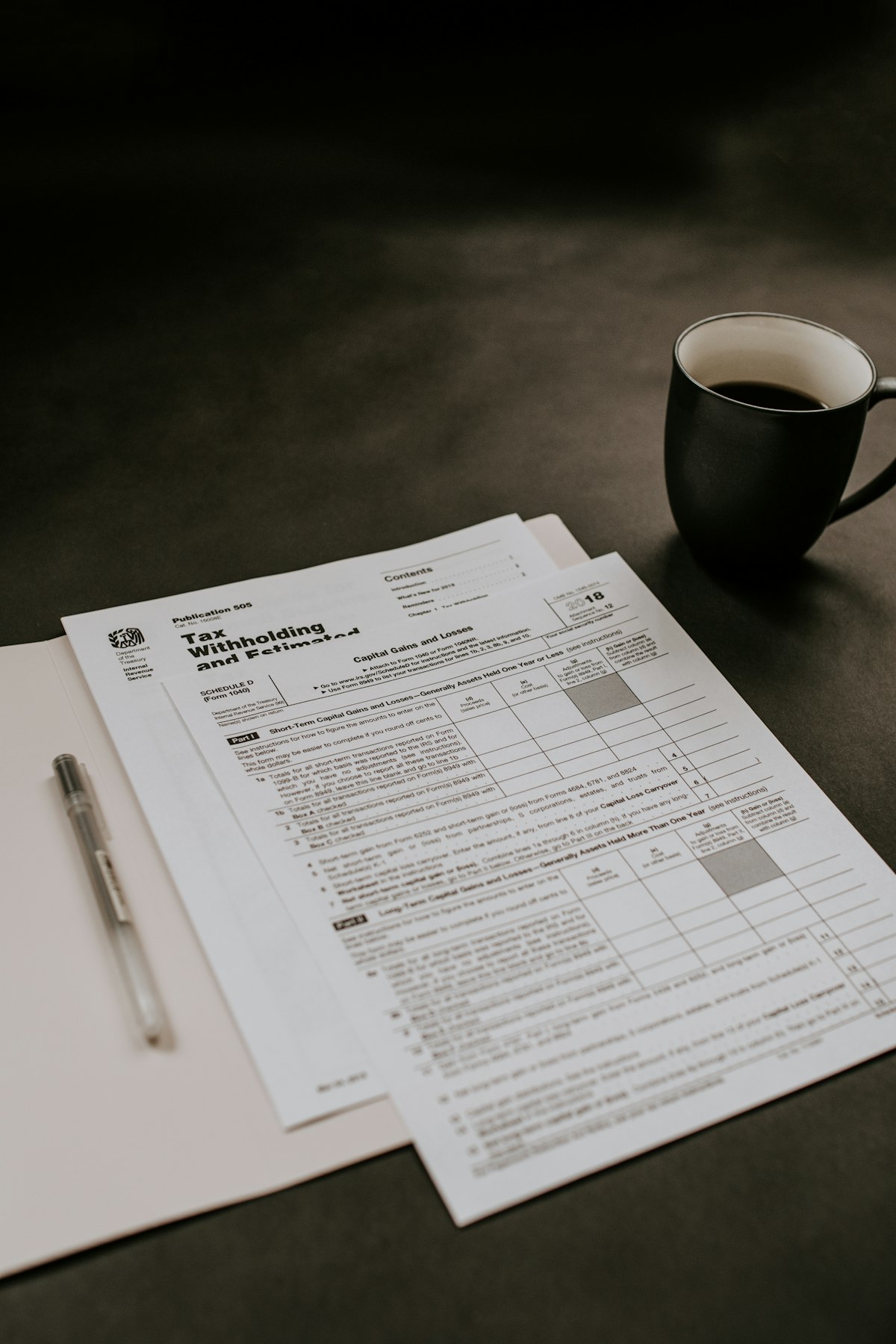
The most actionable of all USDT income tax considerations Africa members can address immediately, regardless of what your country's specific rules eventually turn out to be, is disciplined record-keeping. Every withdrawal you make from your 3DXploreMarket dashboard should be recorded somewhere durable: the date, the USDT amount, the destination wallet, and the approximate local currency value at the time of the transaction.
A simple spreadsheet is sufficient for this purpose. Each of the USDT income tax considerations Africa residents will eventually need to address when filing depends on having accurate historical records available. Trying to reconstruct a year of withdrawal history from memory, months after the fact, is far more difficult and error-prone than logging each transaction as it happens.
Your 3DXploreMarket dashboard withdrawal history and your Binance transaction history both provide a built-in audit trail that supports your own manual records. Cross-referencing these two sources periodically ensures nothing is missed, which matters enormously when USDT income tax considerations Africa authorities raise eventually require documented evidence rather than estimates.
USDT Income Tax Considerations Africa — What to Log Every Withdrawal
📅 Date of withdrawal
💵 USDT amount withdrawn
🏦 Destination wallet address
💱 Approximate local currency value at time of transaction
USDT Income Tax Consideration #2: Rules Vary Significantly by Country
Among the most important USDT income tax considerations Africa members must internalise is that there is no single continental answer. Nigeria's Federal Inland Revenue Service has issued evolving guidance on digital asset taxation. Ghana's Revenue Authority treats crypto-related income under existing income tax frameworks pending more specific digital asset legislation. Kenya's Revenue Authority has introduced a Digital Asset Tax specifically targeting crypto transactions. South Africa's Revenue Service has been notably active in crypto tax enforcement for several years already.
Because these USDT income tax considerations Africa jurisdictions apply differ this much from country to country, generic advice found online, including in this very article, cannot responsibly tell you your exact obligation. What is true in Kenya may not apply in Cameroon. What applies in South Africa may not apply in Uganda. The only reliable way to resolve USDT income tax considerations Africa specific to your situation is a conversation with a licensed professional who practices in your own country and stays current with its evolving digital asset guidance.
If your country has not yet issued clear crypto-specific tax guidance, this does not necessarily mean the income is untaxed. Many revenue authorities apply existing general income tax principles to any income, however it is earned or denominated, pending more specific rules. A professional in your jurisdiction can advise how existing law is likely to apply to your particular USDT income tax considerations Africa situation while clearer digital asset rules are still developing.
USDT Income Tax Consideration #3: Cycle Income Versus Team Commission Income
A nuance among USDT income tax considerations Africa members should raise with their tax professional specifically is whether your own AI shop cycle income and any team commission income you earn from building a team should be treated identically or differently for tax purposes in your country. In some jurisdictions, the distinction between passive investment income and commission-style income earned from team building activity may carry different tax treatment.
Keeping these two income streams separately recorded in your own tracking spreadsheet — cycle income from your own license in one column, team commission income from your team's activations and upgrades in another — makes this conversation with your tax professional considerably easier. Even if your country ultimately treats both streams identically, having them clearly separated from the outset costs you nothing and may save considerable time later.
Members who are actively growing a team, and therefore generating a meaningful stream of team commission income alongside their own cycle income, should be particularly diligent about this distinction. As your team grows and your commission income becomes a larger share of your total platform earnings, the USDT income tax considerations Africa residents in this position face become correspondingly more significant.
USDT Income Tax Consideration #4: Proactive Compliance Beats Reactive Correction
Among all the USDT income tax considerations Africa members weigh, timing matters enormously. Addressing your tax obligations proactively, from your very first cycle of income, is dramatically simpler and less stressful than trying to reconstruct years of undeclared income after a revenue authority raises questions. Most tax authorities across Africa offer more favourable treatment to taxpayers who come forward voluntarily than to those who are caught through audit or investigation.
If you have already been earning USDT income for some time without addressing these USDT income tax considerations Africa authorities may eventually ask about, the right move is not panic but a prompt conversation with a professional about how to bring your situation into compliance going forward, and whether any historical correction is advisable in your specific case.
Do not wait for a letter or a notice before addressing this. The members who navigate USDT income tax considerations Africa most smoothly are the ones who treat tax compliance as a routine part of managing their income, the same way they treat withdrawal record-keeping, rather than as an afterthought to be dealt with only under pressure.
USDT Income Tax Consideration #5: Finding the Right Professional to Ask
Not every accountant or tax adviser has direct experience with the specific USDT income tax considerations Africa crypto earners face. When seeking professional advice, ask directly whether the practitioner has handled digital asset or cryptocurrency income for other clients before. A professional with directly relevant experience will be able to give you far more precise and useful guidance than a generalist encountering crypto income for the first time.
In several African markets, professional bodies and larger accounting firms have begun building dedicated digital asset tax practices specifically because of the volume of USDT income tax considerations Africa clients are now bringing to them. Searching for accountants who explicitly mention cryptocurrency or digital asset experience is a reasonable starting point.
Bringing your organised records — the same withdrawal log discussed earlier in this guide — to your first meeting with a tax professional will make that conversation dramatically more productive. A professional working from clear, complete records can give you far more useful and specific guidance than one working from vague recollections of your income history.
How Currency Conversion Complicates Reporting
One practical complication many members overlook is that USDT is denominated in dollars, while most tax filings across Africa are conducted in local currency. This means that every time you convert USDT to naira, cedi, shilling, or any other local currency via Binance P2P, there is technically an exchange rate applied at that moment which should be recorded alongside the transaction. Over a full year, exchange rates fluctuate, and the local currency value of a fixed USDT amount withdrawn in January can differ noticeably from the same amount withdrawn in December.
Rather than trying to track official central bank rates retroactively, the simplest practical approach is to record the actual P2P rate you received at the moment of each conversion, since that is the rate that reflects what you genuinely received in local currency terms. Keeping a running note of the exchange rate alongside each withdrawal amount, as suggested earlier in this guide, solves this problem naturally as part of your existing record-keeping habit.
If you convert only a portion of your USDT to local currency and keep the rest in USDT or another stablecoin, that decision itself may carry its own reporting implications in some jurisdictions, since holding an appreciating or stable dollar-denominated asset can be treated differently from immediately converting to local currency. This is precisely the kind of nuance where a conversation with your tax professional adds real value beyond anything a general guide like this one can responsibly provide.
Building Good Habits as Your Income and Team Grow
As members progress from a modest VIP 1 license toward higher tiers, and as their team building efforts begin generating a meaningful stream of commission income, the volume and complexity of transactions worth tracking naturally increases. What starts as a handful of weekly withdrawals from a single license can grow into dozens of transactions monthly once team commissions, multiple withdrawal events, and periodic upgrades are all factored in.
The good news is that the habit built early, when transaction volume is still low and manageable, scales naturally as your income grows. Members who start with a simple spreadsheet from their very first cycle rarely find themselves overwhelmed later, because the habit is already established and simply continues to be applied consistently as the numbers involved get larger.
Consider setting a recurring monthly calendar reminder to update your income tracking spreadsheet, reconcile it against your dashboard and Binance history, and set aside a few minutes to note any changes in your circumstances that might be worth raising with your tax professional at your next scheduled check-in.
Frequently Asked Questions
Does 3DXploreMarket report my income to my country's tax authority? This is a question best answered by referring to the platform's terms of service and your own country's reporting requirements, and is another reason a licensed local tax professional should be consulted directly rather than relying on assumptions.
What if my country has no clear guidance on crypto income at all? Absence of specific guidance does not necessarily mean absence of obligation. A local professional can advise how general income tax principles are likely to be applied in the meantime.
Should I keep records even if my income is currently small? Yes. Building the habit early, even at small amounts, means you are fully prepared as your income grows through reinvestment and team building over time.
USDT Income Tax Considerations Africa — Key Platform Facts
- Founded: 2011 · CEO: Alice Kahzisky · HQ: Kuala Lumpur, Malaysia
- Members: 375,000+ across 150+ countries · Generation 2 open until 2034
- Withdrawals: Every Saturday and Sunday, fully trackable via dashboard and Binance history
- Trustpilot rating: 4.8★ from 347+ independent reviews
- Team commission structure spans 5 levels for members building a team
Members openly discuss USDT income tax considerations Africa authorities are raising in their own countries at Trustpilot, though remember peer experiences are never a substitute for professional advice. You can review your full transaction history for tax purposes directly within Binance. For related practical guidance, see our companion article on setting up your USDT wallet correctly, which also touches on maintaining clean transaction records.
Start Tracking Your Income the Right Way From Day One
Register with code 3DXMAI, build your record-keeping habit from your very first cycle, and consult a local tax professional as your income grows. Generation 2 is open until 2034.
Register — Generation 2 OpenTelegram: @dxploremarketofficial
⚡ USDT income tax considerations Africa — 3DXploreMarket Group Ltd, founded 2011, Kuala Lumpur. This article is not tax advice. Consult a licensed professional in your country. Not financial advice.